
Topics Covered:
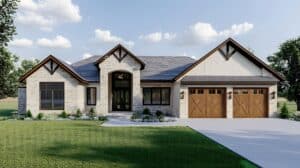
A side-hinged garage door is a door that swings open sideways, like a barn door. It suits the modern farmhouse look and gives you classic style, reliable function and practical durability for residential garages, workshops and storage areas.
Average cost: $1200-$2500. The price varies with material, insulation, size and customization.
What are the benefits of side-hinged garage doors?
Style
Side-hinged doors have a timeless, traditional look that goes well with older homes and adds classic touches to modern ones. They come in wood, steel, aluminum or composite wood, and you can customize them to match your house. You can pick the finish and color with paint, stain or other color treatments, add panel styles or decorative elements such as barn-door hardware or crossbeams, add decorative windows, and choose the configuration: single, double or asymmetrical panels.
Functionality
Side-hinged doors swing open horizontally, unlike overhead doors such as sectional or roll-up styles that coil and rest under the ceiling. They are easy to operate, and they may suit a workshop or storage space better than a garage used to park cars. They also work well in garages with low ceilings or threshold obstacles that rule out an overhead track. For extra convenience, a side-hinged door can be divided into sections so you can open just one part.
Durability
Side-hinged doors typically outlast overhead doors, because the side-hinged mechanism has fewer moving parts and less wear and tear. They are built from steel, wood, aluminum or composite wood to withstand the elements, including harsh winds and temperature swings. In areas with extreme weather, you can reinforce them for extra protection and security.
Safety features
The opening mechanism is simpler than on overhead models, so there is inherently less risk of mechanical failure, broken springs or broken cables that could compromise safety. Side-hinged doors often have built-in locks or even a multi-point locking system for better security.
Home value
The unique, charming look of a side-hinged door can make your property stand out, especially where classic or traditional home styles are popular. Durability and ease of use add to the appeal, since the door combines good looks with practicality that adds to the value of your home.
How do you choose the right side-hinged garage door?
Material
Each material for a side-hinged garage door has its own pros and cons, depending on what you need.
- Wood has the most traditional appearance and customizes easily to match your home and style. It needs regular maintenance and upkeep to prevent warping and rot.
- Steel doors are durable, low-maintenance and sleek and modern in look, but they can dent or rust over time.
- Composite wood is a mix of materials that has the appearance of wood and the durability of steel. These doors also often resist warping, cracking and rotting.
- Aluminum is lightweight and naturally resistant to rust, though it may not be as durable as steel or composite wood.
Insulation
Insulated side-hinged doors regulate the temperature inside the garage, which can reduce both energy bills and noise. Insulation is a good option if the garage is attached to your home or used for more than parking, such as exercising or storing valuables.
Opening mechanism
Most side-hinged doors open manually like regular doors, but some models can be fitted with automatic openers for extra convenience. If you want one, choose an automatic door system that works with side-mounted motors, which swing the doors open and closed for you.
How do you maintain a side-hinged garage door?
Proper maintenance keeps a side-hinged garage door lasting longer and running smoothly.
- Inspect the door regularly for signs of wear or damage, such as warping, dents or rot, and check the weatherstripping around the edges.
- Clean the doors to remove dirt, dust and debris, especially if they are wood.
- Lubricate mechanical parts like hinges and any other moving parts to prevent rust and keep operation friction-free.
- Repaint or refinish the door to keep up its appearance and protect it from weather damage like moisture or sun exposure.
Check the locks and other safety features too. They can loosen or become misaligned over time, and they need to work properly to maintain security.