Topics Covered:
Key takeaways
- Ask a Fayetteville garage door installation company 10 questions before you hire it, starting with whether it carries liability insurance and workers’ compensation insurance.
- North Carolina requires a state general contractor license only when a project costs $40,000 or more (N.C. G.S. 87-1), so most single garage door installations fall below that line and insurance becomes the more useful check.
- A written estimate should itemize the door, labor, materials, old door removal, possible extra charges, an expiration date and the payment terms.
- A reasonable deposit for a garage door installation is often 10% to 30% of the total project cost.
- A typical garage door installation takes about a day, though custom work, weather and material availability can stretch the timeline.
The questions to ask before choosing a garage door installation company in Fayetteville, NC cover insurance and licensing, years in business, reviews, door options, warranties, what the installation includes, payment terms, written estimates, timelines and permits. RJ Garage Door Service has installed and repaired garage doors in Fayetteville, Raleigh, Durham, Cary and the surrounding Triangle area since 2013. Here are the 10 questions, what a good answer sounds like, and what to watch for.
1. Are you licensed and insured?
A garage door installation company in Fayetteville should be able to show you proof of insurance and any license that applies to your job. A valid license shows that the company has met the local or state requirements to operate legally. In North Carolina, a state general contractor license is required when the cost of a project is $40,000 or more, under G.S. 87-1. Most single garage door replacements cost far less than that, so for a typical home job, insurance tells you more than a license does.
Insurance is just as important as a license. Ask about two types:
- Liability insurance protects your property if the company causes damage during the installation.
- Workers’ compensation insurance covers medical expenses and lost wages for workers injured on the job.
2. How long have you been in business?
How long a garage door company has been in business tells you a lot about the quality of work to expect. A company with several years behind it is likely to have a proven track record of successful installations and satisfied customers. RJ Garage Door Service, for example, has served Fayetteville and the Triangle since 2013. Years in business give a company time to refine its processes, build a reliable team and learn from past mistakes.
Longevity in the garage door industry also tends to go with stability. A company that has served the Fayetteville market for a long time is more likely to give consistent service, and it is more likely to still be around if you need follow-up service or repairs. Age is not everything, though. A newer company with good insurance, clear written estimates and strong recent reviews can be a fine choice.
3. Can you provide references or customer reviews?
A good garage door installation company can provide references and customer reviews from homes it has worked on around Fayetteville. References and reviews are the best tools for judging a company’s reputation and quality. A company that consistently does high-quality work should have a portfolio of satisfied clients and a gallery of its work.
Look for three things when you read references and reviews:
- Positive reviews should show consistent praise for punctuality, professionalism, quality of work and after-sales service. Good reviews on several platforms, such as Google, Yelp and the Better Business Bureau (BBB), point to a reliable company.
- Specific feedback tells you more than star counts. Watch for details about how the company handled unusual installation problems, how it communicated during the project and how it dealt with any issues.
- Case studies or video testimonials from past clients, if a company has them, give a deeper look at its service and customer satisfaction.
4. What types of garage doors do you offer?
A garage door installation company should offer a range of materials, styles and insulation options for your Fayetteville home, and you should know that range before you sign. Garage doors come in various materials, styles, and designs, and each one has its own benefits.
Garage door materials come in five main types:
- Wood has a classic, natural look but needs more maintenance.
- Steel is durable and low-maintenance, but it can dent and rust if it is not properly protected.
- Aluminum is lightweight and resists rust, but it may not be as sturdy as steel.
- Fiberglass resists salt air and suits coastal areas, but it can crack in extreme cold.
- Composite combines the benefits of different materials and often looks like wood while being more durable.
Garage door styles come in four main types, plus insulation choices:
- Traditional doors usually have raised panels and a classic design.
- Carriage house doors look like old carriage house doors and often have decorative hardware.
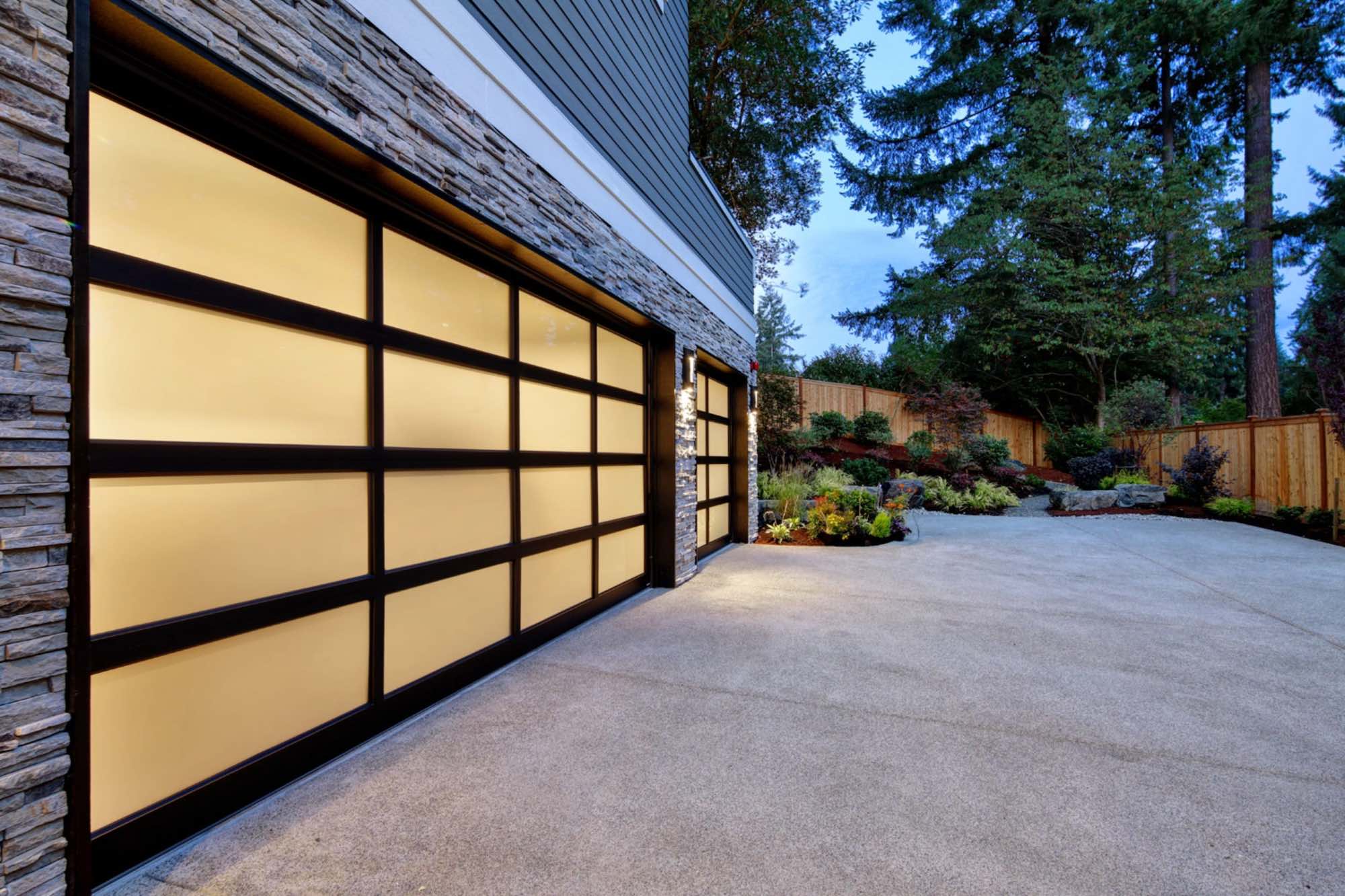
- Contemporary doors have sleek, modern lines and often include glass panels.
- Custom doors are built to your own design.
- Insulated garage doors are worth it if your garage is attached to your home or you use it for more than parking. Ask about each insulation option and how it affects energy efficiency and noise.
5. Do you offer warranties on your products and services?
A reputable garage door company offers warranties on both the door it sells and the installation work, and you should get both in writing. A warranty protects you against defects or problems that show up after installation. Ask about three kinds of coverage:
- A product warranty covers the garage door itself, including manufacturer defects in materials or workmanship. Product warranties range from a few years to a lifetime, so ask exactly what is covered, such as the door panels, springs, tracks and hardware.
- An installation warranty covers the workmanship of the installation. Even the best garage door can fail if it is installed incorrectly, so make sure the company stands behind its work. An installation warranty should cover problems like poor alignment, balance problems and malfunctioning mechanisms.
- Extended warranties or service plans go beyond standard coverage. Some include routine maintenance, priority service and coverage for parts that wear out over time.
6. What is included in your installation service?
A complete garage door installation service should include removal of the old door, all hardware for the new door, weather sealing, clean-up and a final inspection. Knowing exactly what is included helps you avoid unexpected costs. Ask about each of these items:
- Old door removal matters if you are replacing an existing garage door. Find out whether the company will remove and dispose of your old door as part of the job.
- Installation of the new door should include all labor and materials, such as tracks, springs, cables, rollers and other hardware.
- Garage door opener installation may or may not be included, so ask if you are also getting a new opener.
- Weather sealing keeps drafts, water and pests out of your garage.
- Clean-up should leave your garage the way the crew found it, with debris, packaging and leftover materials removed.
- A final inspection and walkthrough before the job is finished confirms that everything works correctly.
7. What are your payment terms, and do you offer financing?
A garage door company’s payment terms should spell out the deposit, the payment schedule and the payment methods it accepts, and many companies also offer financing. Knowing the terms up front helps you plan your budget and avoid surprises. Ask about five things:
- Deposit requirements vary. Some companies ask for a deposit before work starts, usually a percentage of the total. A reasonable deposit is often around 10-30% of the total project cost.
- A clear payment schedule helps you manage your money and keeps the project transparent.
- Accepted payment methods may include credit cards, checks, bank transfers or cash.
- Financing can make a large garage door installation more affordable by spreading payments over time. Ask whether the company offers in-house financing or works with third-party lenders.
- Discounts and promotions are sometimes available for upfront payment, referrals or seasonal sales. Ask whether the company or the garage door manufacturer is running any current promotions.
8. Can you provide a written estimate?
Any garage door installation company you consider should provide a written estimate that lists every cost for your project. A written estimate makes sure you and the company agree on the project scope and keeps all the fees clear. Look for five things in it:
- A detailed breakdown of costs should itemize the garage door, labor, materials and extra services like old door removal or disposal.
- Potential additional charges should be listed, such as custom modifications, structural repairs or upgrades to the door or opener.
- An expiration date tells you how long the quoted price holds before changes in material costs can affect it.
- Contingencies cover problems found during installation, such as a garage frame that needs reinforcement.
- Payment terms should be written in, including the deposit amount, payment schedule and accepted payment methods.
9. What is your timeline for completing the installation?
A typical garage door installation takes about a day once work begins, but the full timeline depends on the start date, the door you choose and any custom work. Understanding the timeline helps you plan. Discuss these points with the company:
- The project start date may depend on a waiting list, especially in busy seasons, so ask when the company can begin.
- The estimated completion time can vary with the complexity of the job, the type of door and any custom work.
- Potential delays can come from weather, material availability or unexpected problems with your garage’s structure.
- Coordination with other contractors matters if the garage door is part of a larger renovation or new build. Make sure the installation company can work within the project timeline.
- Post-installation services, such as inspections or follow-up visits, may be needed to confirm everything works properly.
10. Do you handle permits and inspections?
A good garage door installation company will tell you whether your job needs a permit or inspection under Fayetteville building codes and whether it will handle that for you. Some installations need permits and inspections, depending on the scope of the work, so clarify who manages them before work starts.
- Permit requirements usually apply when you make structural changes or install a garage door where none existed before. Ask whether the company knows the local permitting rules and will get the permits for you.
- The inspection process in some jurisdictions requires a check after installation to confirm the work meets building codes and safety standards. Ask whether the company will arrange the inspection and handle the paperwork.
- Additional costs for permits and inspections should be included in your estimate or disclosed up front.
- Experience with local regulations in the Fayetteville area helps a company get through permitting and inspection without delays.
Ready to hire a Fayetteville garage door installation company?
You can put all 10 of these questions to RJ Garage Door Service before any work begins. When you are ready to upgrade your garage door, contact RJ Garage Door Service for a free quote or call (919) 438-7447.