Topics Covered:
Your garage door represents more than an entry point for vehicles. Statistics show that approximately 9% of residential break-ins occur through garage doors, making them a significant security concern for Raleigh homeowners. What many don’t realize is that beyond physical security measures, navigating HOA requirements adds another layer of complexity when upgrading or replacing garage doors in neighborhoods like Wakefield, Brier Creek, and Cary.
1. Outdated Fixed-Code Openers Leave You Exposed
Many Raleigh homes still operate garage door openers manufactured before 1997, which rely on fixed-code technology. These systems transmit the same code every time you press your remote, creating a vulnerability that tech-savvy criminals can exploit using code grabber devices. These inexpensive tools can intercept and store your garage door’s access code from up to 100 meters away, giving intruders unlimited access to your home.
The brute force technique represents another threat to fixed-code systems. Hackers can overwhelm these older openers by cycling through thousands of code combinations until finding the correct one. With fixed codes typically ranging from 8 to 12 bits, the number of possible combinations is limited enough that automated devices can crack them in under 10 seconds. This means someone could be testing your garage door security while you’re at work without leaving any trace.
Upgrading to rolling code technology provides the most effective solution. Modern openers from manufacturers like LiftMaster, Chamberlain, and Genie use Security+ 2.0 or Intellicode systems that generate a unique 64-bit code for each use. When working with HOAs in communities like Brier Creek or Wakefield, we help homeowners understand that opener upgrades typically don’t require architectural approval since they don’t change the door’s external appearance. However, we always recommend checking with your specific HOA before proceeding.
Common fixed-code vulnerabilities include:
Limited Code Combinations: Older systems use only 256 to 4,096 possible codes, making them easy targets for brute force attacks that cycle through all combinations rapidly.
Static Signal Transmission: The same code transmits every time, allowing criminals to record and replay the signal at their convenience without detection.
No Encryption: Fixed codes lack modern encryption protocols, broadcasting signals in plain form that simple devices can intercept and decode.
Extended Vulnerability Window: Once compromised, your code remains valid indefinitely until you manually reprogram the entire system.
2. The Emergency Release Cord Exploit Most People Miss
The red emergency release cord hanging from your garage door opener serves a critical safety purpose during power outages or malfunctions. Unfortunately, this same safety feature creates one of the most commonly exploited security vulnerabilities in residential garage doors. Criminals have discovered they can use a simple coat hanger inserted through the top gap of a closed garage door to hook and pull this release cord, disengaging the opener and allowing manual door operation from outside.
This technique takes less than six seconds when executed by someone familiar with the process. The burglar simply pushes a wedge into the top of the door to create a small gap, slides in a bent coat hanger with a hook, catches the emergency release handle, and pulls. The door then rolls up manually, providing quiet entry that leaves no obvious signs of forced entry. Glass panels or windows on your garage door make this exploit even easier by giving intruders visual confirmation of the release cord’s location.
We recommend several modifications to protect this vulnerability while maintaining emergency functionality. Shortening the release cord so the handle sits just below opener height prevents external access while remaining reachable from inside. Installing a shield or guard around the release mechanism blocks fishing attempts from outside. For communities with strict HOA guidelines about external modifications, these internal security upgrades require no architectural approval. We provide detailed documentation and photos for HOA submissions when external changes become necessary.
“We’ve worked with dozens of Wakefield and Brier Creek homeowners who discovered this vulnerability after we pointed it out during routine maintenance,” notes the RJ Garage Door Service team. “The solution takes minutes to implement but dramatically improves security. For HOA communities, we document everything properly so homeowners have the specifications they need for any required submissions.”
Ways to secure your emergency release:
Cord Shortening: Trim the release cord so the handle sits high enough to prevent external access but remains reachable during emergencies from inside the garage.
Shield Installation: Mount a physical barrier around the release lever that blocks coat hanger access from outside while allowing normal emergency operation from inside.
Zip Tie Method: Secure the release with a breakaway zip tie that holds it in place but can be quickly snapped during actual emergencies requiring manual operation.
Window Frosting: Apply privacy film to garage door windows so criminals cannot visually locate the release cord position before attempting entry.
3. HOA Architectural Approval: The Hidden Requirement
Raleigh-area homeowners associations maintain architectural control over exterior modifications to preserve neighborhood aesthetics and property values. Many residents discover too late that garage door replacements, color changes, window additions, or style modifications require formal HOA approval before installation. The architectural review process typically takes 30 to 60 days, and starting work without approval can result in fines, required removal, and reinstallation at your expense.
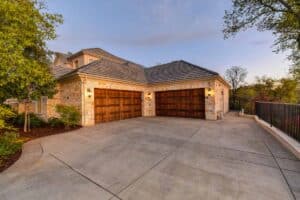
HOA architectural guidelines commonly regulate garage door colors, materials, panel styles, window configurations, and hardware finishes. Neighborhoods like Wakefield, Brier Creek, and the Lennox at Brier Creek community maintain specific standards that doors must match. Some HOAs require particular carriage-house styles in historic sections while others mandate contemporary clean lines in modern developments. Material restrictions might specify steel over wood or limit decorative hardware options. Understanding these requirements before selecting a replacement door saves time and money.
We specialize in navigating HOA requirements for Raleigh homeowners by providing complete specification sheets, product documentation, color samples, and installation details that architectural review committees need. Our documentation includes manufacturer specifications, material composition, design dimensions, color codes with physical samples, and installation timelines. We maintain relationships with HOA management companies throughout Wake County and understand what each community typically requires. When homeowners work with us, we handle the documentation burden and ensure their selections comply with neighborhood standards before ordering.
Common HOA architectural requirements for garage doors:
| Requirement Category | Typical Restrictions | Documentation Needed |
|---|---|---|
| Color Approval | Limited to approved palette, usually neutrals | Color samples, manufacturer codes, finish type |
| Style Compliance | Must match existing architecture or approved designs | Product brochures, elevation drawings, photos |
| Material Standards | Steel, wood, or composite as specified | Material specifications, manufacturer details |
| Window Restrictions | Size, placement, and quantity limitations | Window configuration drawings, glass specifications |
| Hardware Guidelines | Specific finishes and decorative element rules | Hardware samples, finish specifications |
4. Garage Door Windows: Visibility Equals Vulnerability
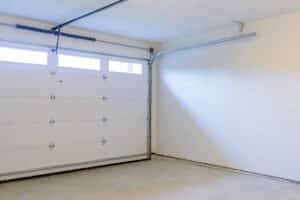
Decorative windows add curb appeal to garage doors but simultaneously create security weaknesses that many Raleigh homeowners overlook. Clear glass windows allow criminals to survey your garage contents, determine whether vehicles are present, locate the emergency release cord, and assess whether security systems are installed. This reconnaissance happens from the street without arousing suspicion, giving intruders the information they need to target high-value homes during optimal times.
Glass panels also provide physical access points. Breaking a small garage door window creates minimal noise compared to forcing entry through other access points. Once broken, the intruder can reach through to unlock a service door, trigger the emergency release, or disable the opener. Older single-pane glass shatters easily, while even modern windows can be compromised with proper tools. The combination of visibility and physical vulnerability makes windowed garage doors attractive targets for property crimes.
Several security enhancements address this vulnerability without requiring complete door replacement. Frosted or obscured glass films block the view while maintaining natural light and aesthetic appeal. Shatter-resistant window film makes glass much harder to break through. Security bars or decorative grilles provide physical barriers while complementing traditional or carriage-house door styles. For HOA communities with strict aesthetic standards, we work with architectural review committees to identify security solutions that meet both safety needs and design requirements. We provide detailed specifications showing how proposed modifications maintain neighborhood visual harmony while improving home security.
Window security solutions include:
Privacy Film Application: Adhesive films obscure interior views while allowing light transmission and can be selected in styles that complement your home’s architecture and HOA requirements.
Shatter-Resistant Glass: Laminated or tempered glass options resist breaking and hold together even when struck, preventing easy access through broken windows.
Decorative Security Grilles: Metal bars or decorative ironwork mounted inside or outside windows provide physical barriers while adding architectural interest that many HOAs approve.
Window Replacement: Switching from clear to frosted or tinted glass during door installation eliminates visibility concerns while maintaining the door’s design aesthetic and light qualities.
5. Smart Technology Integration Without Proper Security
Smart garage door openers offer remarkable convenience through smartphone control, real-time notifications, and integration with home automation systems. However, improperly configured smart systems introduce new vulnerabilities that traditional openers don’t face. Weak Wi-Fi security, default passwords, unencrypted connections, and outdated firmware create entry points for digital attacks that give hackers remote access to your garage and potentially your entire smart home network.
Many homeowners install smart garage controllers without changing default credentials or enabling advanced security features. Factory default passwords are publicly available online, making unauthorized access trivially easy for anyone who identifies your system. Unencrypted wireless connections allow nearby attackers to intercept control signals and gain access codes. Outdated firmware may contain known security vulnerabilities that manufacturers have patched in newer versions but that remain exploitable on systems that haven’t been updated.
Proper smart garage door security requires several configuration steps beyond basic installation. Enable WPA3 encryption on your home Wi-Fi network and use a strong, unique password. Change all default credentials on your garage door controller and smartphone app. Enable two-factor authentication if your system supports it. Keep firmware updated by enabling automatic updates or checking quarterly for new versions. Create a separate guest network for smart home devices to isolate them from computers containing sensitive information. For HOA communities, smart opener upgrades typically don’t require approval since they don’t alter the door’s external appearance, though we document everything for homeowners who prefer comprehensive records.
“Smart technology transforms garage door convenience and security when configured properly,” explains the RJ Garage Door Service team. “We walk homeowners through the security setup process during installation because the technology only protects your home if the digital security matches the physical security. For Raleigh neighborhoods with HOA requirements, smart upgrades give you enhanced control without triggering architectural review processes.”
Smart garage door security best practices:
| Security Measure | Why It Matters | Implementation Difficulty |
|---|---|---|
| Change Default Passwords | Default credentials are publicly available online | Easy – 5 minutes |
| Enable WPA3 Encryption | Prevents wireless signal interception | Moderate – router configuration |
| Two-Factor Authentication | Requires second verification beyond passwords | Easy – app setting |
| Regular Firmware Updates | Patches known security vulnerabilities | Easy – automatic or quarterly check |
| Separate IoT Network | Isolates smart devices from sensitive data | Moderate – router configuration |
6. Weak Service Door Security: The Forgotten Entry Point
Most attached garages include a service door providing pedestrian access between the garage and yard. Homeowners focus security attention on the main garage door while overlooking this smaller entry point that often features basic locks, hollow-core construction, and no additional security measures. Statistics show that once criminals gain garage access through any method, they frequently target the service door connecting the garage to the home’s interior, finding it even less secure than the garage’s exterior access.
Standard service doors typically feature basic keyed locks that can be picked or bumped by someone with minimal skill. Hollow-core doors offer little resistance to forced entry, and many service doors lack deadbolts entirely. Poor lighting around the service door area provides concealment for tampering attempts. When garage doors have windows providing visibility, criminals can determine whether the service door has robust security before attempting entry. The combination of weak physical security and low homeowner attention makes service doors attractive secondary targets.
Upgrading service door security requires multiple layers of protection. Install a solid-core or steel door that resists forced entry attempts. Add a high-quality deadbolt with a minimum one-inch throw and a reinforced strike plate secured with three-inch screws reaching into the door frame’s structural studs. Install motion-activated lighting to eliminate concealment opportunities. Consider adding a security camera with a view of the service door area. For homes with interior doors connecting the garage to living spaces, ensure those doors have equal or better security measures. HOA architectural guidelines rarely govern service doors since they’re typically not visible from the street, though we document all exterior modifications for homeowners in communities with comprehensive architectural oversight.
Service door security upgrades include:
Solid-Core Door Replacement: Swap hollow-core doors for solid wood or steel construction that resists kicking and forced entry attempts while maintaining fire ratings required by code.
Deadbolt Installation: Add commercial-grade deadbolts with minimum one-inch throw, anti-pick pins, and reinforced strike plates that anchor deep into structural framing members.
Smart Lock Integration: Install smart deadbolts that provide entry logging, remote monitoring, automatic locking schedules, and temporary access codes for service providers.
Security Camera Coverage: Mount cameras with motion detection and night vision covering the service door area with recording capability and smartphone alerts for activity.
7. Lack of Monitoring and Automatic Closing Features
One of the most common garage security vulnerabilities stems from simple human error: leaving the garage door open. Many Raleigh homeowners accidentally leave garage doors open when departing for work, running errands, or during busy morning routines. An open garage door signals that nobody is home and provides unrestricted access to tools, equipment, vehicles, and the door connecting to your home’s interior. Drive through any suburban neighborhood in the evening and you’ll find multiple garages left open unintentionally.
Without monitoring systems, homeowners remain unaware that their garage sits open and vulnerable for hours. Traditional openers provide no notifications about door status, and once you’ve driven away, there’s no way to verify whether the door closed properly. Mechanical failures can prevent complete closing without the homeowner’s knowledge. Children or family members might open the garage and forget to close it. Criminals actively look for open garages during daytime hours when homes are empty, as these opportunities require no break-in techniques whatsoever.
Modern monitoring and automatic closing features eliminate this vulnerability through multiple technologies. Smart garage door openers send smartphone notifications when the door opens or closes, allowing real-time status monitoring from anywhere. Geofencing features detect when you’ve left home and automatically close the door after a preset delay. Scheduled closing features shut the door at specific times if it’s been left open. Tilt sensors and door position monitors confirm whether the door is fully closed or partially open. We recommend these features for all Raleigh homeowners, particularly those in communities where visible open garages detract from neighborhood aesthetics that HOAs work to maintain.
“Automatic closing and monitoring features provide peace of mind that traditional openers simply can’t match,” notes the RJ Garage Door Service team. “We’ve had customers call us from vacation to close their garage doors remotely after receiving an alert. That capability alone justifies the smart opener investment, and since these upgrades don’t change your door’s appearance, HOA approval isn’t typically required.”
Monitoring and automation features include:
Real-Time Status Notifications: Receive instant smartphone alerts when your garage door opens, closes, or remains open longer than specified time limits you configure.
Geofencing Automation: System detects when your smartphone leaves a defined radius around your home and automatically closes the door after a brief delay period.
Scheduled Auto-Close: Program specific times when the system automatically closes the door if it’s been left open, useful for bedtime routines or standard departure schedules.
Remote Control Access: Close or open your garage door from anywhere using your smartphone app when you’re away from home or need to grant access.
8. Submitting Proper HOA Documentation: Avoiding Delays and Denials
The architectural review process represents a significant hurdle for Raleigh homeowners planning garage door replacements or security upgrades in HOA communities. Many homeowners don’t realize that HOA architectural approval is required until after they’ve selected a door or scheduled installation. Incomplete applications, missing specifications, non-compliant selections, or proceeding without approval result in project delays, denial letters, fines, or requirements to remove recently installed doors and start over at the homeowner’s expense.
HOA architectural review committees need specific documentation to evaluate whether proposed modifications comply with community standards. Required materials typically include manufacturer specification sheets with complete technical details, color samples or codes, material descriptions, window configurations, hardware specifications, installation timelines, contractor information, and photos or drawings showing the proposed door in context. Applications missing any required documentation get returned without review, restarting the timeline. Committees meet monthly in most communities, meaning incomplete applications can delay projects by 30 to 60 days or more.
We specialize in HOA architectural submissions for garage door projects throughout Raleigh, Cary, Wake Forest, and surrounding communities. Our process includes reviewing your HOA’s specific architectural guidelines, confirming which documentation your committee requires, providing complete manufacturer specification sheets, supplying color samples and product brochures, documenting all security features and hardware specifications, and submitting organized applications that committees can approve quickly. We maintain relationships with property management companies serving Wakefield, Brier Creek, Amberly, and other major Raleigh communities, understanding their specific requirements and preferences. When you work with us, we handle the documentation process so your project moves forward smoothly.
Essential HOA submission documents include:
| Document Type | What to Include | Why Committees Need It |
|---|---|---|
| Manufacturer Specs | Complete technical specifications, model numbers, dimensions | Verify product quality and construction standards |
| Color Documentation | Physical samples, color codes, finish specifications | Ensure compliance with approved color palettes |
| Visual Representations | Product photos, elevation drawings, installation context | Assess aesthetic compatibility with neighborhood |
| Material Information | Steel gauge, wood type, composite composition, insulation R-value | Confirm material meets community standards |
| Installation Timeline | Start date, completion date, contractor details | Plan for construction impact on community |
Protecting Your Home with Expert Garage Door Security
Garage door security vulnerabilities create real risks for Raleigh homeowners, from outdated technology and physical exploits to the often-overlooked complexity of HOA architectural requirements. Addressing these vulnerabilities requires expertise in both security technology and local community standards. The RJ Garage Door Service team brings years of experience helping homeowners throughout Raleigh, Cary, Wake Forest, and surrounding communities upgrade their garage door security while navigating HOA requirements successfully.
We understand that garage door security extends beyond installing new hardware. It encompasses proper technology configuration, physical vulnerability remediation, smart system integration, and successful navigation of architectural review processes in neighborhoods like Wakefield, Brier Creek, and dozens of other HOA communities. Our comprehensive approach addresses security concerns while ensuring your upgrades comply with neighborhood standards, saving you time, money, and frustration.
If you need help improving your garage door security, navigating HOA architectural requirements, or selecting upgrades that meet both security needs and community standards, contact the RJ Garage Door Service team. We provide expert guidance on security vulnerabilities, handle HOA documentation and submissions, install modern security features, and ensure your garage door protects your home while complying with architectural guidelines. Reach out today to schedule a security assessment and learn how we can help protect your home.