Topics Covered:
When you open your garage door and it refuses to stay put, dropping back down or shooting upward, you’re dealing with a balance spring issue. This problem puts unnecessary strain on your garage door opener and creates a safety hazard for your family. Understanding how the balance spring system works and what causes it to malfunction will help you identify when to call for professional help.
Understanding Your Garage Door Balance Spring System
The balance spring system serves as the muscle behind your garage door operation. These springs counterbalance the weight of your door, making it possible to lift what would otherwise be an impossibly heavy panel. Without properly functioning springs, your garage door opener has to work much harder, which accelerates wear on the motor and other components.
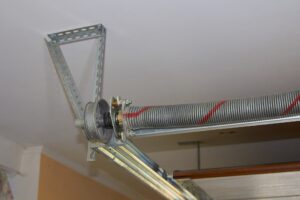
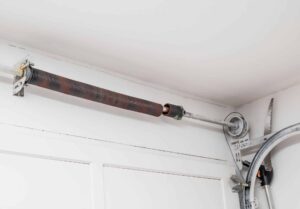
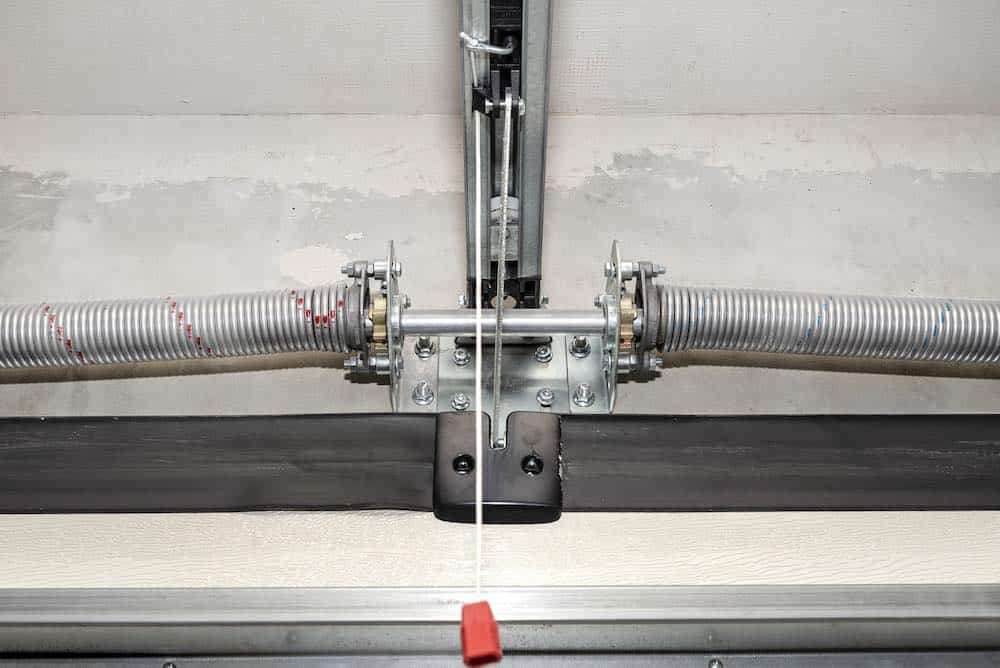
Two main types of spring systems handle this critical job. Torsion springs mount horizontally above your garage door opening and work by twisting to store energy. Extension springs stretch along both sides of the door above the tracks, extending and contracting as the door moves. Most modern residential installations use torsion springs because they offer smoother operation and last longer than their extension counterparts.
The physics behind spring balance remains straightforward. When your door sits in the closed position, the springs store maximum tension. As you open the door, the springs release this stored energy to assist with lifting. A properly balanced door should feel weightless when you lift it manually, requiring minimal force to move up or down. The springs do virtually all the work, while your opener simply guides the movement.
According to the team at RJ Garage Door Service, “A balanced garage door distributes its weight evenly through the spring system. When you disconnect the opener and lift the door to the halfway point, it should stay there without drifting up or crashing down. This equilibrium tells you the springs are doing their job correctly.”
Common Symptoms of Balance Spring Problems
Recognizing the warning signs of spring balance issues helps you address problems before they cause damage or injury. Your garage door communicates its struggles through several obvious symptoms that you can observe during normal operation.
When your door refuses to stay open at any position, particularly the halfway point, this signals insufficient spring tension. The springs have lost their ability to counterbalance the door’s weight, allowing gravity to pull it downward. Conversely, if your door shoots upward when you try to position it midway, the springs have too much tension and are overpowering the door’s weight.
Watch for uneven movement as your door opens and closes. One side rising faster than the other indicates unequal spring tension on each side. This imbalance forces the opener to work harder on one side, creating additional stress on cables, rollers, and tracks. You may hear grinding, scraping, or popping noises as the misaligned components struggle against each other.
Your garage door opener provides its own set of clues about spring problems. If the motor strains noticeably when opening the door, making labored sounds or moving slowly, the springs aren’t providing adequate assistance. Some openers automatically reverse when they detect excessive resistance, protecting the motor from damage. This safety feature activates when the door encounters too much resistance from improperly tensioned springs.
Key Warning Signs of Spring Imbalance:
- Door Won’t Hold Position: The door drifts closed or shoots upward when you release it at the halfway point, indicating incorrect spring tension for the door’s weight
- Crooked Door Operation: One side of the door hangs lower than the other during movement, showing unequal spring tension between the two sides
- Excessive Opener Strain: The motor works harder than normal, produces unusual sounds, or triggers automatic reversal due to resistance
- Rapid Door Drop: When opening, the door falls quickly instead of gliding smoothly, signaling inadequate spring support
- Visible Spring Damage: Gaps between coils, rust accumulation, or stretched appearance indicate springs reaching the end of their service life
How to Test Your Garage Door Balance
Testing your garage door balance takes only a few minutes and requires no special tools. This simple diagnostic procedure helps you determine whether you need professional spring adjustment or replacement. Perform this test every six months as part of your regular garage door maintenance routine.
Start by closing your garage door completely. Locate the emergency release rope, usually red and hanging from the opener trolley. Pull this rope straight down to disconnect the door from the opener. This step isolates the door from the motor, allowing you to assess how well the springs support the door’s weight on their own.
Carefully lift the door to approximately the halfway point, which typically falls around waist height. Release your grip on the door and step back. A properly balanced door should stay in this position with minimal movement. Some gentle drift up or down over several seconds falls within acceptable parameters, but the door should hold its position.
If your door crashes downward when you release it, the springs lack sufficient tension to support the door’s weight. This condition forces your opener motor to do most of the heavy lifting, which significantly shortens its lifespan. On the flip side, if the door flies upward when released, the springs have too much tension and are overpowering the door’s weight.
The team at RJ Garage Door Service notes, “We see many homeowners who ignore balance test results until their opener fails. A door that crashes down when released can weigh 100 pounds or more without proper spring support. Your opener motor wasn’t designed to lift that much weight repeatedly. Testing your balance twice a year catches problems before they destroy your opener.”
Balance Test Performance Data:
| Test Result | Spring Condition | Required Action | Urgency Level |
|---|---|---|---|
| Door stays at halfway point | Properly balanced | No adjustment needed | None |
| Door drifts down slowly | Slightly under-tensioned | Monitor and schedule adjustment | Medium |
| Door crashes downward | Severely under-tensioned | Professional adjustment immediately | High |
| Door rises upward | Over-tensioned | Professional adjustment soon | Medium-High |
| One side drops/rises faster | Uneven tension | Professional adjustment immediately | High |
Why Spring Tension Changes Over Time
Your garage door springs don’t maintain their original tension indefinitely. Several factors contribute to the gradual loss of spring performance, which explains why doors that once balanced perfectly now struggle to stay open. Understanding these factors helps you anticipate when your springs might need attention.
Spring fatigue represents the most common cause of tension loss. Every time your door completes one full cycle of opening and closing, the springs undergo stress. Manufacturers rate springs by cycle count, with standard torsion springs typically lasting 10,000 to 15,000 cycles. Higher-grade springs can reach 20,000 to 50,000 cycles before requiring replacement. For a family that uses their garage door four times daily, standard springs last approximately seven to ten years.
Environmental conditions accelerate spring degradation. Moisture exposure leads to rust formation, which weakens the metal and creates friction between coils. Temperature fluctuations cause the metal to expand and contract repeatedly, contributing to material fatigue. Garages in humid climates or areas with significant seasonal temperature swings experience faster spring deterioration than those in more stable environments.
Lack of maintenance compounds these natural wear factors. Springs require lubrication every six months to minimize friction and prevent rust. Without this simple maintenance step, springs wear out considerably faster than their rated lifespan. Accumulated dirt and debris on the springs create additional friction, forcing the springs to work harder with each cycle.
Spring Lifespan Comparison:
| Spring Type | Cycle Rating | Estimated Years (4 uses/day) | Cost Range |
|---|---|---|---|
| Standard Torsion | 10,000 cycles | 7-10 years | $$ |
| High-Cycle Torsion | 25,000 cycles | 15-17 years | $$$ |
| Premium Torsion | 50,000 cycles | 30+ years | $$$$ |
| Standard Extension | 10,000 cycles | 5-8 years | $ |
Cable and Drum Alignment Issues
Your garage door cables work hand-in-hand with the springs to lift and lower the door smoothly. These steel cables wrap around drums mounted on the torsion shaft, and proper alignment proves critical for balanced operation. When cables slip out of their grooves or drums shift position, your door develops balance problems that mimic spring tension issues.
Cable drums must sit flush against the bearing plates on both sides of your door. If a drum shifts away from the bearing plate, the cable loads unevenly onto the drum grooves. This misalignment causes the affected side of the door to hang lower than the opposite side, creating the crooked appearance you might notice during operation. The door may still open and close, but the uneven weight distribution puts excessive stress on the opener and other components.
Cables can jump off their drums when spring tension disappears suddenly, such as when a spring breaks. The sudden release of tension causes the cables to go slack, allowing them to slip out of the drum grooves. Once a cable comes off the drum, attempting to operate the door usually makes the problem worse, potentially causing the cable to tangle around the torsion shaft or become wedged in the track assembly.
Frayed or damaged cables require immediate replacement rather than adjustment. Inspect your cables regularly for signs of wear, including broken strands, kinks, or rust damage. A compromised cable can snap during operation, which creates a dangerous whipping hazard and causes the door to fall suddenly on one side.
Cable System Components:
- Cable Drums: Spooled components mounted on the torsion shaft that wind and unwind cables as the door moves, requiring precise positioning against bearing plates
- Lift Cables: Steel cables running from the bottom corners of the door up through the drum system, responsible for transferring spring force to door movement
- Bottom Brackets: Attachment points at the door’s bottom corners where cables connect, subject to high stress and requiring secure fastening
- Cable Grooves: Machined channels in the drum surface that guide cable placement, preventing slippage and maintaining proper winding alignment
- Set Screws: Fasteners that secure drums to the torsion shaft, requiring specific torque settings to prevent drum movement during operation
The Dangers of DIY Spring Adjustment
Garage door springs store tremendous amounts of energy under extreme tension. A single torsion spring on a standard residential door holds enough force to lift 150 to 200 pounds. When released suddenly, this energy can cause severe injury or death. Professional technicians undergo extensive training to handle spring systems safely, and they carry specialized tools designed specifically for this dangerous work.
Torsion spring adjustment requires inserting solid steel winding bars into the winding cone and carefully turning the spring to add or remove tension. Using incorrect tools, such as screwdrivers, pliers, or hollow pipes, can result in the tool slipping from the winding cone. When this happens, the spring releases its stored energy instantaneously, and the winding bar becomes a deadly projectile. This scenario causes thousands of emergency room visits annually.
Beyond the immediate safety risks, improper adjustment can make your door more dangerous to operate. Adding too much tension creates excessive force that can cause the door to shoot upward uncontrollably when opened. Installing the wrong spring size for your door’s weight leads to chronic balance problems that no amount of adjustment can fix. Matching spring specifications to door weight requires detailed knowledge of spring wire diameter, inside diameter, and length measurements.
Extension springs present their own hazards. When these springs break, they can snap back violently, striking anyone nearby. Building codes require safety cables threaded through extension springs to contain them if they break, but these safety features don’t eliminate the risks associated with adjustment or replacement. The stretching and contracting nature of extension springs makes them particularly unpredictable during service work.
Professional Service Advantages:
- Specialized Tools: Technicians use properly sized, solid steel winding bars and torque wrenches calibrated for precise spring tension measurement
- Safety Training: Professional installation methods minimize risk through systematic procedures and proper body positioning relative to spring energy
- Correct Specification: Technicians calculate exact spring requirements based on door weight, height, and track configuration for optimal balance
- Warranty Protection: Professional service maintains manufacturer warranties that DIY adjustments often void, protecting your investment
- Complete Inspection: Technicians identify related issues like worn rollers, misaligned tracks, or damaged cables during spring service calls
When to Call Professional Technicians
Certain garage door situations require professional intervention rather than DIY troubleshooting. Recognizing when you’ve reached the limits of safe homeowner maintenance protects you from injury and prevents additional damage to your door system.
Any situation involving broken springs demands professional attention immediately. A broken torsion spring announces itself with a loud bang, often mistaken for a car crash or gunshot. The door becomes extremely heavy to lift manually, and attempting to open it with the opener can damage the motor or cause the door to fall. Extension spring breaks may be less dramatic but equally dangerous, leaving one side of the door without support.
If your door demonstrates balance problems after you’ve confirmed the springs appear intact, professional diagnosis helps identify the root cause. Multiple factors can contribute to balance issues, including incorrect spring specifications, cable problems, drum misalignment, or bent track sections. Experienced technicians quickly pinpoint the actual problem rather than applying adjustments that provide only temporary relief.
Visible spring damage like gaps between coils, rust-through sections, or stretched appearance indicates springs approaching failure. Replacing springs before they break prevents the secondary damage that often occurs when springs fail during operation. Professional technicians replace springs in pairs, maintaining balanced performance across the entire system.
Modern garage doors with complex features like quiet operation systems, insulated panels, or custom designs require professional service to maintain proper function. These systems often use specific spring configurations that differ from standard residential setups. Attempting to service these doors without proper knowledge can compromise their specialized performance characteristics.
Professional Service Situations:
| Condition | Risk Level | Response Time | Typical Cause |
|---|---|---|---|
| Broken spring (visible) | Critical | Same day | Cycle life exceeded |
| Door crashes when released | High | Within 48 hours | Severe tension loss |
| Cable off drum | High | Within 48 hours | Spring failure or misalignment |
| Gradual balance deterioration | Medium | Within 1 week | Normal spring aging |
| Unusual operating noises | Medium | Within 1 week | Component wear or misalignment |
Preventive Maintenance for Spring Longevity
Regular maintenance extends spring life and helps you catch developing problems before they cause failures. A systematic approach to garage door care takes minimal time but delivers significant benefits in reliability and component longevity.
Lubrication stands as the single most important maintenance task for spring systems. Apply a lithium-based garage door lubricant or silicone spray to your springs every six months. Spray along the length of torsion springs, coating all visible coils. This protective layer reduces friction between coils, prevents rust formation, and helps springs operate more smoothly. Avoid WD-40 or similar penetrating oils, as these products attract dust and provide only temporary lubrication.
Visual inspections complement your lubrication routine. Look for rust spots, gaps between coils, or any visible damage to the spring metal. Check cable condition at the same time, watching for frayed strands or kinks. Examine the drums to verify they sit flush against the bearing plates and that cables load properly in the grooves. These quick visual checks help you identify problems in their early stages.
Monitor your door’s balance every few months using the simple halfway test described earlier. Catching gradual tension loss allows you to schedule spring adjustment before the imbalance affects your opener or creates safety concerns. Keep a log of your test results to track changes over time, which helps technicians understand how quickly your springs are losing tension.
Consider upgrading to high-cycle springs when your current springs need replacement. While premium springs cost more initially, they last two to three times longer than standard springs. For families with heavy garage door usage, this upgrade delivers long-term savings by reducing the frequency of spring replacement service calls.
Maintenance Schedule Guidelines:
- Monthly: Visual inspection of springs, cables, and hardware for obvious damage or unusual wear patterns requiring attention
- Quarterly: Balance test at the halfway point to detect gradual tension loss before it impacts opener performance significantly
- Semi-Annual: Lubrication of springs, hinges, rollers, and other moving components with appropriate garage door lubricant products
- Annual: Professional tune-up including comprehensive inspection, adjustment, and replacement of worn minor components
- As Needed: Immediate professional service for broken springs, significant balance changes, or unusual operating behavior
Understanding Opener Force Settings
Your garage door opener includes adjustable force settings that regulate how much power the motor applies when opening and closing the door. These settings work in conjunction with your spring balance system, and incorrect force adjustments can mask underlying spring problems or create new issues.
The up-force setting controls how much power the opener applies when lifting the door. If you increase this setting to compensate for weak springs, the opener works harder than designed, which accelerates motor wear and can burn out the unit prematurely. The down-force setting manages closing power and includes safety features that reverse the door if it encounters resistance, preventing the door from closing on objects or people.
Force settings should only compensate for minor resistance from weather stripping or seasonal temperature changes. When you find yourself continuously increasing force settings to make your door operate, the real problem lies with your spring balance, not the opener settings. Proper spring balance makes the door feel nearly weightless to the opener, allowing minimal force settings to handle normal operation.
Modern openers with automatic force adjustment can sometimes mask deteriorating spring performance. These units automatically increase force to maintain operation as springs weaken, which delays obvious symptoms of spring problems. However, this adaptation shortens opener lifespan and doesn’t address the underlying safety concerns of operating with weakened springs.
According to the team at RJ Garage Door Service, “We regularly service openers that failed because homeowners kept adjusting force settings instead of addressing spring problems. The opener worked itself to death trying to lift a door that weighed three times what the motor was designed to handle. Fixing the spring balance would have saved the opener and cost far less than replacing both systems.”
How the RJ Garage Door Team Can Help
Balance spring problems require professional expertise to diagnose and repair safely. Our team at RJ Garage Door Service brings the specialized knowledge, proper tools, and extensive experience needed to restore your garage door to smooth, balanced operation. We handle spring adjustment and replacement with the highest safety standards, protecting both our technicians and your family.
When you contact us about a garage door that won’t stay open, we conduct a thorough assessment of your entire door system. This comprehensive approach identifies the root cause of your balance problems rather than applying temporary fixes. We check spring condition, cable integrity, drum alignment, track adjustment, and opener settings to develop a complete picture of your door’s health.
Our technicians carry a full inventory of springs in various sizes and ratings, allowing us to match the correct specifications to your door’s weight and usage patterns. We explain your options clearly, including the benefits of upgrading to high-cycle springs that extend service intervals and reduce long-term maintenance costs. Our goal is helping you make informed decisions about your garage door investment.
Beyond spring service, we provide comprehensive maintenance programs that keep your entire garage door system operating reliably for years. Regular professional maintenance catches developing problems early, prevents unexpected failures, and maintains your door’s safe operation. We build relationships with our customers based on honest service and reliable expertise.
Don’t let a garage door that won’t stay open disrupt your daily routine or put your family at risk. Contact the RJ Garage Door Service team today for expert garage door service and repair. Our experienced technicians will restore proper balance to your door and ensure safe, reliable operation for years to come.