Garage Door Hinge Repair vs. Replacement: Making the Right Choice
Topics Covered:
As homeowners in the Raleigh-Durham area, we rely on our garage doors for daily convenience, from protecting our vehicles during stormy weather to providing smooth access for busy family routines. Yet, the hinges—those unassuming metal connectors that allow the door to fold and move—are often overlooked until they start causing problems like squeaks, jams, or uneven operation. With our region’s humid climate accelerating rust and wear, hinge issues can quickly escalate, leading to safety risks or costly breakdowns. Statistics from home maintenance reports show that faulty hinges contribute to about 20% of garage door service calls nationwide, and in variable weather areas like ours, that number rises during rainy seasons when moisture exacerbates corrosion. We understand the dilemma: Should you repair a damaged hinge to save time and money, or replace it entirely for long-term reliability? This choice depends on factors like the extent of damage, door age, and your budget. In this guide, we’ll break down common hinge problems, when to repair versus replace, cost comparisons, and tips for prevention, all tailored to our local conditions. By making an informed decision, you’ll ensure your garage door operates safely and efficiently, avoiding emergencies that disrupt your day. Whether you’re dealing with a single squeaky hinge or noticing widespread wear, these insights will help you choose wisely and maintain your home’s functionality.
Hinges play a critical role in supporting the door’s weight—up to 200 pounds for a standard model—and enabling smooth articulation as it opens and closes. In our area, where temperature swings and humidity promote expansion and contraction, hinges endure constant stress, leading to failures if not addressed. We recommend regular inspections, especially after heavy rains or high winds, to catch issues early. Repairing might suffice for minor fixes, preserving your existing setup, while replacement ensures compatibility and strength for heavier doors. Let’s explore the details to empower your decision-making process.
Understanding Garage Door Hinges and Their Role
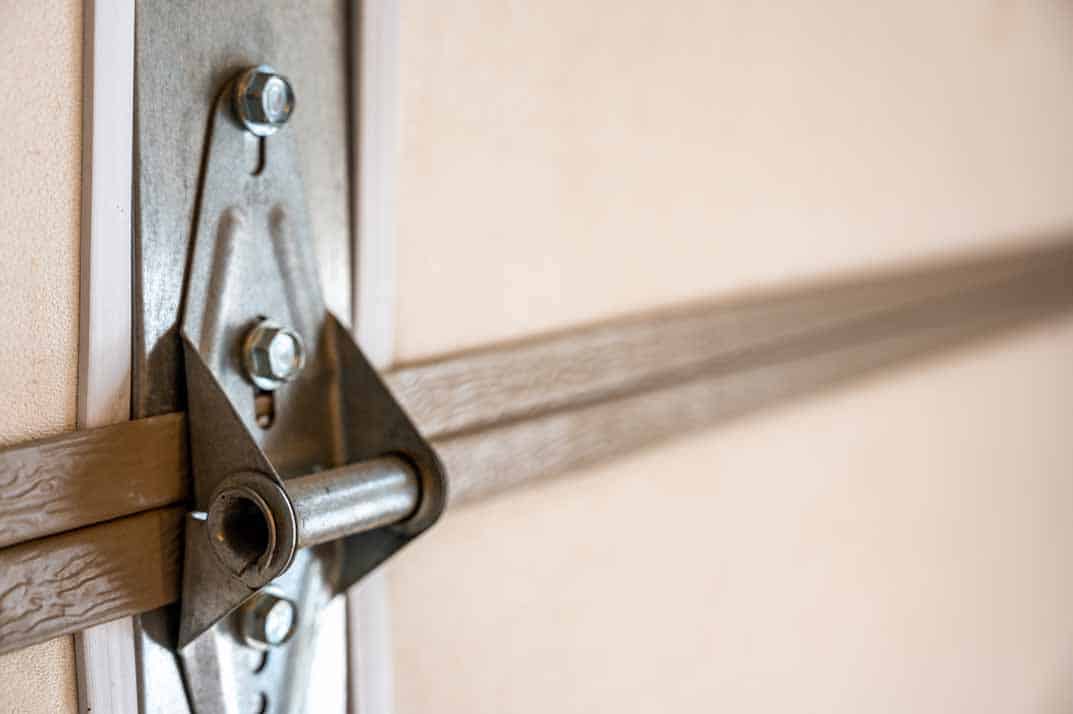
Garage door hinges are the unsung heroes of your door system, connecting panels and allowing them to pivot as the door travels along its tracks, a function that’s essential for safe and efficient operation in homes across the Raleigh-Durham area. We typically see two main types: Standard hinges for lighter residential doors, numbered from #1 to #3 based on position (with #1 at the bottom bearing the most weight), and heavy-duty versions for commercial or oversized doors, often made from galvanized steel to resist our humid climate’s rust tendencies. These components endure thousands of cycles annually—up to 10,000 in high-use households—supporting the door’s weight while withstanding forces from wind, temperature changes, and daily wear. In our region, where summer humidity averages 70% and winter chills cause contraction, hinges can corrode or loosen, leading to misalignment that strains the entire system, including the opener and springs.
Common problems stem from this exposure: Rust forms when moisture seeps into unprotected metal, causing hinges to seize and produce grinding noises during operation. Bending occurs from impacts, like accidental bumps from vehicles, or uneven weight distribution on older doors, resulting in sagging panels that make closing difficult. Loose screws, often due to vibrations from frequent use, allow hinges to shift, creating gaps that let in drafts or pests—a nuisance in our pollen-heavy springs. Statistics from garage door industry surveys indicate that hinge-related issues account for 15-20% of repair calls, with rust being the top culprit in humid areas like ours. We also see wear on the pivot points, where constant friction erodes the metal, leading to squeaks or complete failure if ignored.
Recognizing the hinge’s role helps in maintenance: They not only facilitate movement but also contribute to the door’s balance, preventing excessive strain on other parts. For insulated doors popular here for energy efficiency, hinges must handle added weight without compromising seals. Upgrading to stainless steel or nylon-roller hinges can enhance durability, reducing noise and friction. By understanding these elements, you can better assess whether repair or replacement is needed, ensuring your garage remains a secure, functional space.
To illustrate hinge types and their applications in our climate, consider this table:
| Hinge Type | Material/Design | Best For | Common Issues in Raleigh-Durham |
|---|---|---|---|
| Standard #1-#3 | Galvanized steel | Residential, lighter doors | Rust from humidity, loosening |
| Heavy-Duty | Thicker steel or stainless | Commercial, heavy insulated | Bending from impacts, wear |
| Nylon Roller | Steel with nylon bushings | Quiet operation, all doors | Friction buildup, squeaks |
| Self-Closing | Spring-loaded mechanism | Safety in high-traffic homes | Spring fatigue, misalignment |
| Pivot Hinge | For tilt-up doors | Older or custom setups | Limited availability, corrosion |
This table highlights options based on local usage patterns. We often recommend stainless upgrades for longevity against our weather.
Essential Hinge Components to Inspect:
- Pivot Pins: Check for wear or rust.
- Screws/Bolts: Ensure tightness.
- Plates: Look for bends or cracks.
- Rollers: Test for smooth rotation.
- Bushings: Verify no grinding.
Signs Your Garage Door Hinges Need Attention
Identifying early warning signs of hinge problems is key to preventing major garage door failures in the Raleigh-Durham area, where our humid and stormy weather can accelerate deterioration. We start with audible cues: Squeaking or grinding noises during opening and closing often indicate dry or rusted hinges, as moisture from frequent rains causes friction between metal parts. If the door jerks or hesitates midway, bent hinges might be disrupting smooth movement, a common issue after wind gusts push against the panels. Visually, look for rust spots or orange streaks on the hinges—these form when humidity combines with untreated steel, weakening the structure and potentially leading to breaks. Loose hinges manifest as visible gaps between panels or a sagging door on one side, which not only affects operation but can strain the tracks and opener, increasing repair costs by 20-30% if ignored, per industry estimates.
Other indicators include difficulty in manual lifting: If the door feels heavier or unbalanced, worn hinges are likely failing to distribute weight evenly, posing safety risks like sudden drops. In our area, pollen buildup during spring can exacerbate these by gumming up pivot points, leading to sticky operation. Check for cracks or deformities, especially after vehicle impacts or severe weather—statistics show that 10-15% of hinge failures stem from accidental damage. We advise monthly visual checks, particularly post-storm, to catch these signs early, avoiding emergencies that disrupt your routine.
Ignoring these can lead to cascading problems, like damaged panels or failed sensors, turning a simple fix into a full overhaul. By staying vigilant, you maintain safety and efficiency.
For a quick reference, here’s a table of common signs and their likely causes in our local conditions:
| Sign | Description | Likely Cause | Urgency Level |
|---|---|---|---|
| Squeaking/Grinding | Noisy operation | Rust or lack of lubrication | Medium—address soon |
| Jerky Movement | Door hesitates or shakes | Bent or worn hinges | High—safety risk |
| Rust Spots | Orange discoloration | Humidity exposure | Medium—prevent spread |
| Sagging Door | Uneven alignment | Loose or broken hinges | High—structural issue |
| Difficulty Lifting | Heavy or unbalanced feel | Weight distribution failure | Medium—check balance |
This table helps prioritize actions based on local weather impacts. We recommend documenting signs for professional consultations.
Warning Signs Checklist for Homeowners:
- Audible Noises: Listen during cycles.
- Visual Rust: Inspect metal surfaces.
- Operational Hesitation: Test smooth movement.
- Alignment Issues: Check for even gaps.
- Manual Test: Lift to feel balance.
When to Opt for Hinge Repair
Opting for hinge repair makes sense when issues are isolated and minor, allowing Raleigh-Durham homeowners to restore functionality quickly and affordably without overhauling the entire system. We suggest repair for loose hinges, where tightening screws or adding reinforcements resolves vibrations from daily use or wind, a common fix in our area that costs $50-100 per hinge including labor. If rust is surface-level, cleaning with a wire brush and applying rust-inhibiting lubricant can halt progression, especially effective in our humid climate to prevent further corrosion— this approach extends hinge life by 2-5 years, according to maintenance experts. For squeaky or stiff hinges, lubrication with silicone spray alleviates friction, often caused by pollen or moisture buildup, restoring smooth operation without replacement.
Repair is ideal if the door is relatively new (under 10 years) and hinges show no structural damage like cracks or bends, preserving the original setup and avoiding downtime. Pros include cost savings—repairs average $100-200 total versus $300+ for replacements—and minimal disruption, with most jobs completed in under an hour. In high-traffic homes, repairing individual hinges maintains balance, preventing strain on adjacent parts. We see this as a go-to for budget-conscious families, with DIY options for simple tightening using basic tools, though professionals ensure proper torque to avoid stripping.
However, assess the extent: If only 1-2 hinges are affected and the door operates safely, repair suffices. Combine with inspections to catch related issues early.
Here’s a table outlining scenarios favoring repair over replacement in our local context:
| Scenario | Why Repair | Estimated Cost ($) | Pros in Raleigh-Durham |
|---|---|---|---|
| Loose Screws | Easy tightening fixes | 50-100 | Quick, prevents further loosen |
| Surface Rust | Cleaning/lubrication stops spread | 75-150 | Combats humidity effectively |
| Minor Squeaks | Lubrication resolves friction | 50-100 | Reduces noise in quiet areas |
| Isolated Wear | Targeted fix on one hinge | 100-200 | Maintains door balance |
| Newer Door | Preserves existing system | 100-250 | Cost-effective for recent installs |
This table guides decisions based on common local problems. We find repair extends usability significantly.
Repair Process Steps for DIY Enthusiasts:
- Safety First: Disconnect opener, secure door.
- Clean Area: Remove rust/debris.
- Tighten/Lubricate: Use tools carefully.
- Test Operation: Cycle door multiple times.
When Replacement is the Better Choice
Replacement becomes the smarter option when hinge damage is severe or widespread, ensuring long-term safety and performance for garage doors in the Raleigh-Durham area. We recommend replacing if hinges are bent or cracked, often from impacts or age, as repairs can’t restore structural integrity— in our windy conditions, weakened hinges risk door collapse, posing hazards. If multiple hinges (3+) show rust or wear, full replacement prevents uneven stress that damages panels or tracks, a problem amplified by our humidity where corrosion spreads quickly. For doors over 15 years old, new hinges upgrade to modern, galvanized models that better resist local weather, extending overall lifespan by 5-10 years per industry standards.
Pros of replacement include enhanced durability with rust-resistant materials like stainless steel, improved quiet operation with nylon bushings, and better weight support for insulated doors popular here. Costs range $150-400 for a set of hinges plus labor, but this investment avoids recurring repairs that add up to more over time. In safety-critical cases, like sagging doors that could fall, replacement is non-negotiable to protect families and pets. We see this as essential for high-use garages, where old hinges fail under daily cycles.
Assess if repair attempts have failed repeatedly—replacement then offers reliability. Opt for pros to match hinge gauges correctly.
Table of scenarios favoring replacement:
| Scenario | Why Replace | Estimated Cost ($) | Pros in Raleigh-Durham |
|---|---|---|---|
| Bent/Cracked | Structural failure | 200-400 | Ensures safety in storms |
| Widespread Rust | Corrosion too advanced | 150-350 | Halts spread in humidity |
| Multiple Affected | Systemic wear | 250-500 | Balances door evenly |
| Old Door | Upgrade to modern standards | 200-450 | Improves efficiency |
| Failed Repairs | Recurring issues | 300-600 | Long-term cost savings |
This highlights when to invest. We advise replacement for peace of mind.
Cost Analysis: Repair vs Replacement
Analyzing costs for hinge repair versus replacement helps Raleigh-Durham homeowners budget effectively, weighing short-term savings against long-term value in our variable climate. Repair typically ranges $50-200 total, covering labor for tightening, lubricating, or fixing one hinge—affordable for minor rust or looseness, with DIY options dropping to $20-50 in materials. Replacement costs $150-500 for a set of 4-6 hinges plus install, higher due to new parts but justified for severe damage, per recent service trends showing averages around $300 locally.
Repair pros: Lower upfront, quick (under 1 hour), minimal disruption. Cons: Temporary if underlying rust persists, leading to $100+ repeat visits. Replacement pros: Durable fix, upgrades material for humidity resistance, potential warranty. Cons: Higher initial outlay, longer job (1-2 hours).
In our area, repair suits budgets under $150, replacement for issues over that to avoid escalation. Factor door age—repair old doors risks more failures.
Cost comparison table:
| Aspect | Repair Cost ($) | Replacement Cost ($) | Long-Term Savings Potential |
|---|---|---|---|
| Minor Issue | 50-100 | N/A | High for isolated fixes |
| Moderate Damage | 100-200 | 200-300 | Replacement better |
| Severe/Multiple | 150-300 | 300-500 | Replacement saves 20-30% long-term |
| Labor Included | 50-100 | 100-200 | Pro for both recommended |
| Materials Only | 20-50 | 100-300 | DIY viable for repair |
This aids financial planning. We provide quotes balancing both.
Cost-Saving Strategies:
- DIY Repair: For simple tasks.
- Bundle Services: With tune-ups.
- Quality Parts: Invest in rust-resistant.
- Preventive Care: Reduce future needs.
DIY vs Professional Help for Hinge Work
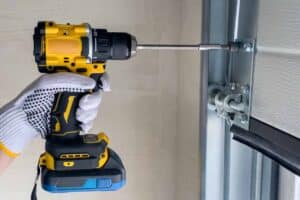
Deciding between DIY and professional help for hinge repair or replacement depends on skill level and issue complexity, crucial for safety in Raleigh-Durham homes. We suggest DIY for minor repairs like tightening screws or lubricating—tools needed are basic (screwdriver, lubricant), costing $20-50, and tutorials abound online. Pros: Saves $50-100 in labor, empowers homeowners. Cons: Risk of improper torque stripping screws or misaligning door, leading to bigger problems.
For replacement or bent hinges, pros are essential—they ensure correct gauge matching and balance, vital to avoid accidents, with costs $100-200 in labor but warranties included. In our area, where humidity warps parts, experts spot related issues like track damage.
DIY suits confident individuals with new doors, pros for safety-critical or multiple hinges.
Help table:
| Option | Best For | Cost Range ($) | Pros/Cons in Local Context |
|---|---|---|---|
| DIY Repair | Loose/squeaky hinges | 20-100 | Affordable, but risk errors |
| Pro Repair | Rust/minor bends | 100-300 | Expert, warranty |
| DIY Replacement | Single hinge, experienced | 50-200 | Savings, but safety concerns |
| Pro Replacement | Multiple/severe | 200-500 | Precise, compliant |
Choose wisely. We offer both guidance and services.
DIY Safety Precautions:
- Disconnect Power: Avoid accidents.
- Use Supports: Secure door.
- Wear Gear: Gloves, glasses.
- Know Limits: Call pros if unsure.
Preventive Maintenance Tips for Hinges
Preventive maintenance keeps hinges in top shape, minimizing repair or replacement needs in our humid Raleigh-Durham climate. We recommend monthly lubrication with silicone spray to combat rust and friction, especially after rains. Tighten screws quarterly to prevent loosening from vibrations, and clean pollen/debris biannually with a soft brush.
Annual pro inspections catch early wear, and apply rust protectant in fall for winter prep.
These habits can double hinge life.
Tips table:
| Tip | Frequency | Tools Needed | Benefits in Area |
|---|---|---|---|
| Lubricate | Monthly | Silicone spray | Reduces rust from humidity |
| Tighten Screws | Quarterly | Screwdriver | Prevents sagging |
| Clean Debris | Biannually | Brush/vacuum | Clears pollen buildup |
| Rust Protectant | Annually | Spray coating | Shields against moisture |
| Pro Inspection | Annually | None | Early detection |
Implement for longevity. We provide maintenance plans.
Conclusion
Deciding between garage door hinge repair and replacement in the Raleigh-Durham area involves assessing issues, costs, and long-term benefits to ensure safe, efficient operation. At RJ Garage Door Services, we offer expert evaluations, repairs, and replacements tailored to your door’s needs, helping you make the best choice for durability and peace of mind.
If you need help with garage door hinges, contact the RJ Garage Door Services team today for professional assessments and solutions.